Categories
Healthy Aging

Aging Well From the Inside Out

Healthy Aging

Aging isn’t just about physical health – it’s also about how we think, feel, and connect with the world around us. Mental wellness and cognitive health are essential parts of healthy aging, influencing everything from memory and mood to independence and quality of life.

Our brains change as we get older, but aging doesn’t have to mean cognitive decline. In fact, many aspects of brain health, like memory, focus, and emotional resilience, can be supported through daily habits. According to the National Institute on Aging, lifestyle choices such as managing stress, getting enough sleep, and staying socially connected can help maintain cognitive function and reduce the risk of dementia.

Manage Stress with Mindfulness

As we age, managing stress becomes even more important for protecting both mental and physical health. Mindfulness, whether through meditation, deep breathing, or simply pausing to notice your surroundings, can help you stay grounded, reduce anxiety, and improve focus.

  • Try this: Start your day with five minutes of quiet breathing or a short gratitude reflection. It’s a simple way to build emotional resilience and mental clarity.
Recharge Your Brain with Sleep

Good sleep is essential for healthy aging. It helps your brain process memories, supports immune function, and keeps your mood balanced. As we get older, sleep patterns may shift, but quality rest is still key to staying mentally sharp and physically energized.

Healthy sleep habits for aging well:

  • Stick to a regular sleep schedule
  • Create a calming bedtime routine
  • Limit caffeine and screen time in the evening
Nurture Your Mind with Community and Connection

Staying socially active is one of the most powerful ways to support cognitive health and emotional well-being. Meaningful relationships can reduce the risk of depression, boost memory, and even help you live longer.

Ways to stay connected as you age:

  • Join a walking group or community class
  • Schedule regular calls or visits with friends and family
  • Volunteer or mentor in your community

Mental wellness and cognitive health are not just about avoiding decline; they’re about thriving. By nurturing your mind, prioritizing rest, and staying connected, you can build a vibrant, resilient life at any age.

Start small: take a few mindful breaths, reconnect with someone you care about, or commit to a restful bedtime routine. Every step supports a stronger, more vibrant you.

Explore additional resources:

National Institute on Aging: Cognitive Health and Older Adults

National Institute of Mental Health: Older Adults and Mental Health

Categories
Healthy Aging

The Power of Daily Movement for Healthy Aging

Healthy Aging

As we grow older, staying active becomes one of the most important things we can do for our health and independence. Movement isn’t just about fitness, it’s about maintaining the strength to carry groceries, the balance to climb stairs, and the energy to enjoy life fully.

Whether you’re in your 50s, 70s, or beyond, daily movement can help you stay strong, steady, and confident in your body.

Why Movement Matters as We Age

Our bodies naturally change with age- muscle mass decreases, joints may stiffen, and balance can become more challenging. But regular movement can help counteract these changes and even improve overall well-being. Staying active helps:

  • Maintain strength and muscle tone, which supports mobility and reduces the risk of falls.
  • Improve balance and coordination, helping you stay steady on your feet.
  • Boost energy and mood, thanks to increased circulation and feel-good endorphins.
  • Support brain health, with studies showing that physical activity can enhance memory and cognitive function.

Among all types of movement, two stand out as especially important for aging well:

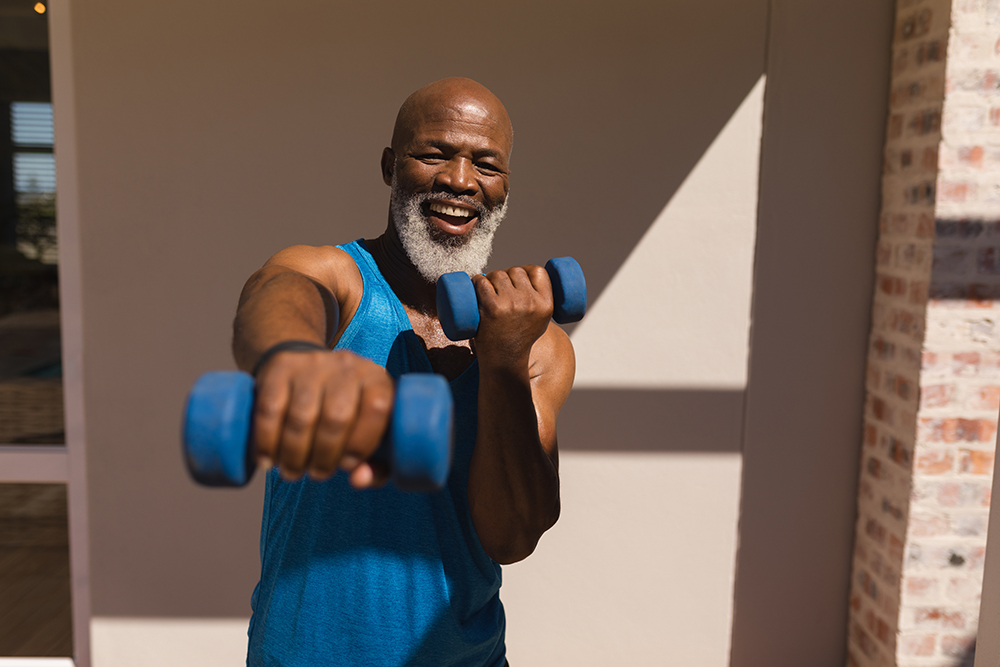
  1. Strength training helps preserve muscle and bone health, which are key to staying active and independent. This can include bodyweight exercises, resistance bands, or light weights.
  2. Balance exercises improve stability and reduce the risk of falls. Simple practices like standing on one foot, heel-to-toe walking, or tai chi can make a big difference.
Movement Doesn’t Have to Be Complicated

The best kind of exercise is the one you enjoy and can stick with. That might mean:

  • A brisk walk around the block
  • Gentle stretching or yoga
  • Dancing in your living room
  • Gardening or light yard work
  • Chair exercises or resistance bands

This week, challenge yourself to move your body for at least 10 minutes a day, every day. It doesn’t have to be intense or perfect- just consistent! Celebrate your body by moving with purpose and joy- one step, stretch, or dance at a time.

Explore additional resources:

Centers for Disease Control and Prevention: Moving Matters for Older Adults

National Institutes of Health: Physical Wellness Toolkit

Categories
Healthy Aging

Eat Well, Age Well: Nutrition Tips for Every Decade

Healthy Aging

Aging gracefully isn’t just about staying active or keeping up with checkups; it starts with what’s on your plate. The right foods can help you stay energized, sharp, and resilient, supporting everything from bone strength to brain health.


As we move through life, our bodies change, and so do our nutritional needs. Muscle mass begins to decline, metabolism slows, and our ability to absorb certain vitamins (like B12 and D) can decrease. That means older adults need fewer calories, but more nutrients per bite. Eating nutrient-dense foods becomes essential for maintaining strength, supporting immunity, and protecting brain health.


Here’s how to make nutrition work for you at every stage:


  • Anti-inflammatory foods like berries, leafy greens, olive oil, and fatty fish help reduce chronic inflammation, which is linked to heart disease, arthritis, and cognitive decline
  • Protein-rich foods such as beans, eggs, and lean meats help preserve muscle mass and strength, which are key to mobility and independence
  • Brain-boosting nutrients like omega-3 fatty acids (found in salmon and walnuts), antioxidants (from colorful fruits and vegetables), and B vitamins (from whole grains and dairy) support memory and cognitive function
Habits That Support Long-Term Health


Healthy aging is a full-body effort- it’s about nourishing your body and living in a way that supports long-term wellness. Here are a few habits that can make a big difference:


  1. Stay hydrated: Our sense of thirst diminishes with age, so we make a habit of drinking water throughout the day.
  2. Eat mindfully: Pay attention to hunger cues and portion sizes and enjoy meals without distractions.
  3. Prioritize gut health: Include fiber-rich foods, probiotics (like yogurt or kefir), and prebiotics (like garlic and bananas) to support digestion and immunity.
  4. Keep meals balanced: Aim for a mix of protein, healthy fats, and complex carbs at each meal to maintain steady energy and blood sugar levels.
Your Turn: Try Something New!


This week, challenge yourself to:

  • Share your favorite healthy recipe with a friend or family member
  • Try a new nutrient-rich food—maybe lentils, flaxseeds, or rainbow chard?

Eating well is one of the most powerful ways to age with strength, clarity, and vitality. Your future self will thank you.


Explore additional resources:


Academy of Nutrition and Dietetics: Healthy Lifestyles for Healthy Older Adults

American Heart Association: The changing nutritional needs of older adults and how to meet them 

Categories
Healthy Aging

Thrive at Every Age

Healthy Aging

What is Healthy Aging? 

Aging is a natural part of life, but how we age is something we can influence. This week, we’re kicking off our four-part series on Healthy Aging, where we’ll explore how small, intentional choices can help us live longer, feel better, and stay connected as we grow older. 

Healthy aging isn’t about avoiding wrinkles or pretending we’re not getting older. It’s about thriving at every stage of life- physically, mentally, and emotionally. According to the National Institute on Aging (NIA), healthy aging involves maintaining physical, mental, and social well-being and independence as you age.

In other words, healthy aging is about more than just living longer; it’s about living better. It means staying active, engaged, and independent for as long as possible, and making choices that support your overall well-being. 

Busting Common Myths 

Let’s clear up a few common misconceptions: 

  • Myth: Older adults can’t learn new things. 
  • Truth: People can continue to learn, form new memories, and enhance their abilities at any age- our brains remain adaptable throughout life. 

  • Myth: Healthy aging is only about physical health. 
  • Truth: Mental, emotional, and social well-being are just as important as physical fitness.  
  • Myth: Slowing down is just a natural part of getting older. 
  • Truth: While some physical changes are normal, staying active and engaged can help older adults maintain energy, mobility, and independence well into later life. 
The Four Pillars of Healthy Aging  

Over the next few weeks, we’ll explore these four key areas: 

  1. Nutrition: Fueling your body with the right foods to support energy, immunity, and brain health. 
  2. Movement: Staying active to maintain strength, flexibility, and mobility. 
  3. Mental Wellness: Managing stress, staying mentally sharp, and nurturing emotional health. 
  4. Social Connection: Building and maintaining meaningful relationships to combat loneliness and boost happiness. 
This Week’s Mini-Challenge: Start with One Small Step 

Healthy aging starts with awareness and action. This week, take a few minutes to reflect- 

  • What am I already doing to support my health? 
  • What’s one small change I could make this week? 

Try drinking one extra glass of water each day; taking a 10-minute walk after lunch; calling a friend or family member; or journaling for 5 minutes before bed. Write it down, share it with a friend, or post it somewhere visible. Small steps lead to big results.  

Explore additional resources:  

National Institute on Aging: 10 Common Misconceptions About Aging

National Institute on Aging: What Do We Know About Healthy AgingÂ