

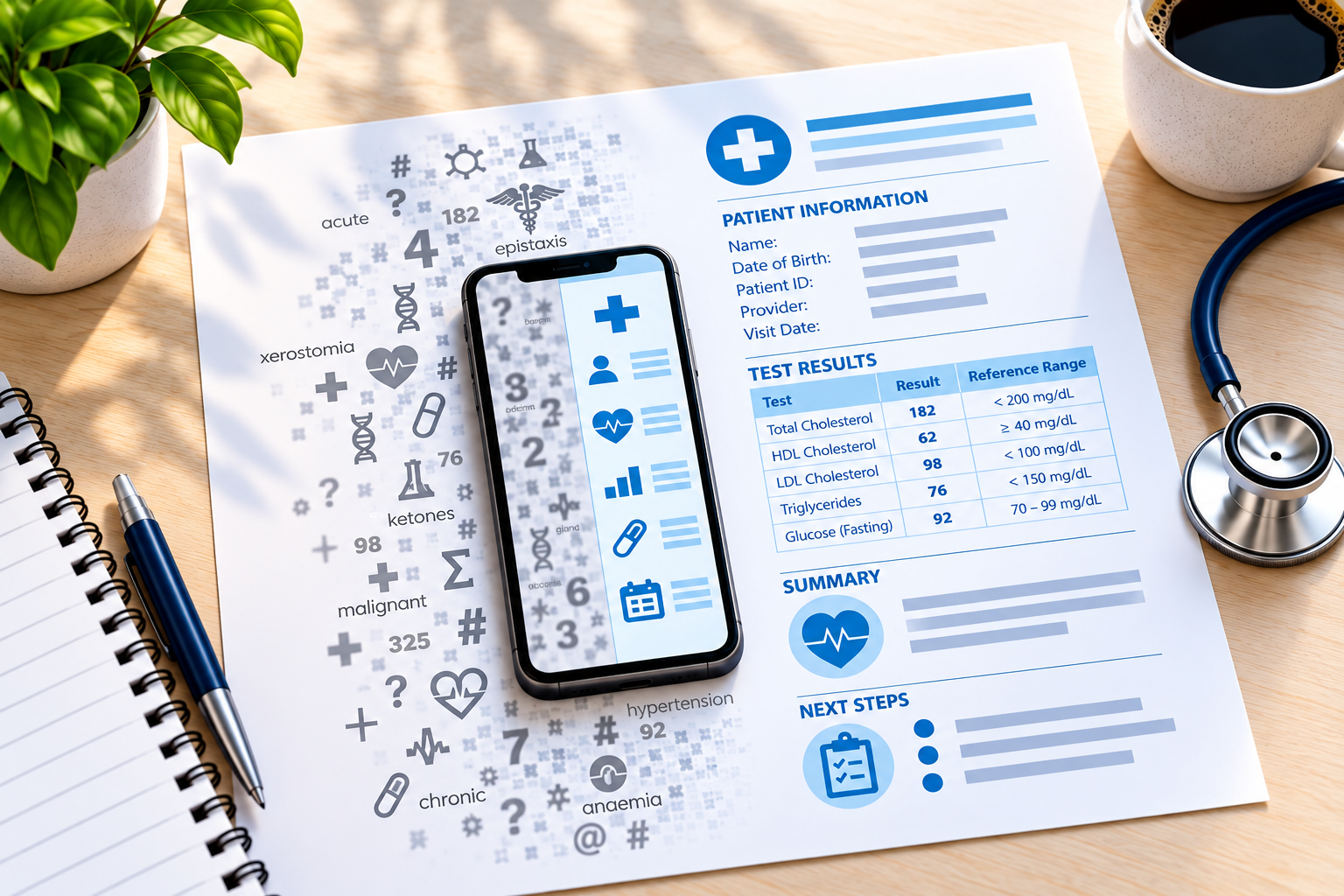
Every day, we make decisions that influence our health: choosing medicine, scheduling a check-up, understanding test results, or searching online for symptoms. Yet many of these moments feel confusing. If you’ve ever left an appointment unsure of what was said or felt overwhelmed by online information, you are not alone.
This is where health literacy becomes essential. It’s the skill that helps you understand health information clearly and make decisions with confidence.
What Is Health Literacy?
The Centers for Disease Control and Prevention (CDC) defines health literacy in two key ways:
- Personal health literacy: how well you can find, understand, and use health information to make informed decisions for yourself or others.
- Organizational health literacy: how clearly organizations communicate health information and how easy they make it for people to use their services.
Put simply, health literacy is your ability to receive, interpret, and act on health information. You don’t need medical training; you just need clarity to know what’s being asked of you and what choices you have.
Why Health Literacy Matters
Healthcare is full of new terms, complex instructions, and fast decisions. Even routine visits can feel overwhelming. Strong health literacy helps you feel more confident and prepared by allowing you to:
- Understand diagnoses and treatment options
- Ask questions without hesitation
- Make informed choices that protect your health and well-being
- Manage chronic conditions more effectively
- Support loved ones who rely on you during medical visits
The Growing Role of Digital Health Literacy
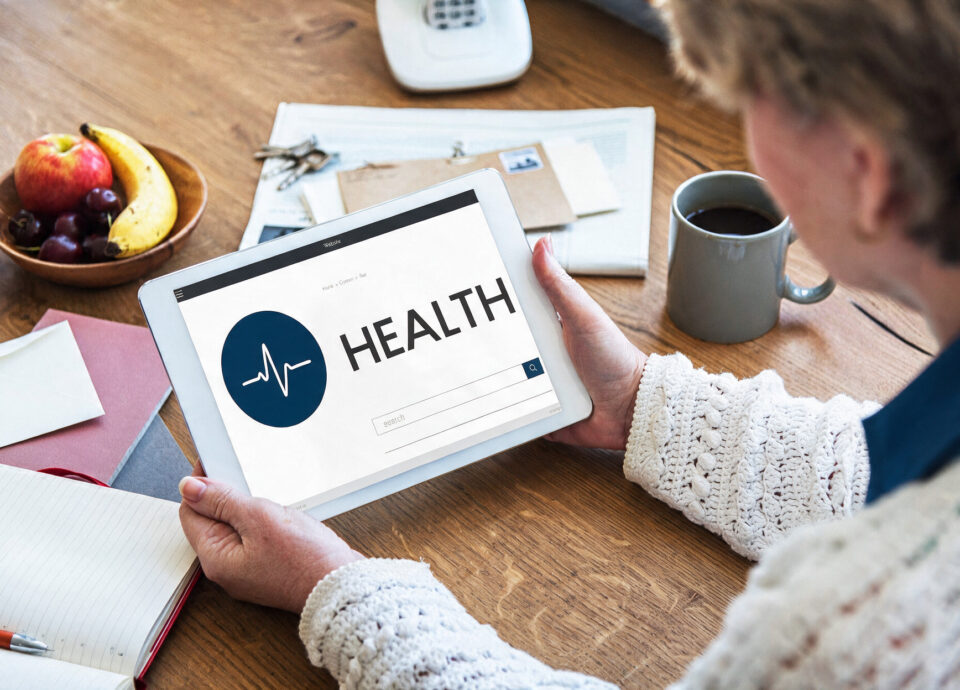
Today, a large portion of health information lives online in patient portals, telehealth visits, lab results, apps, wearable devices, and medical websites. This means health literacy now includes digital health literacy: the ability to find, understand, and use digital resources for your health.
Digital health literacy helps you:
- Access your health records through online portals
- Use telemedicine confidently to stay engaged in your care
- Evaluate online sources for accuracy
- Use apps or wearables to track symptoms or long-term wellness goals
You don’t need to be tech-savvy. You just need a willingness to learn how these tools can support your overall well-being.
A Real-Life Example
Think about a recent time when you read something about your health online. Maybe you were trying to understand a new medication or compare symptoms. Often, the information is written in technical language or offers too many possible explanations. Health literacy helps you sort through that overload and focus on clear, trustworthy guidance, reducing confusion and anxiety.
Your Wellness Starts with Understanding
Health literacy is about having the skills to understand information and make choices that support your well-being. When you feel informed, you can make decisions with greater clarity and confidence.
Keep up with us this month as we explore how to strengthen and practice your health literacy skills so that you can build sustainable habits that help you stay empowered long term.
Taking charge of your health begins with understanding it. And with the right tools and awareness, these skills become part of a lasting approach to staying healthy and well.
Additional resources:
Centers for Disease Control and Prevention. (2024, October 16). What Is Health Literacy? https://www.cdc.gov/health-literacy/php/about/index.html.
National Library of Medicine. (2026, June 15). An Introduction to Health Literacy. https://www.nnlm.gov/resources/public-health-resources/intro-health-literacy.