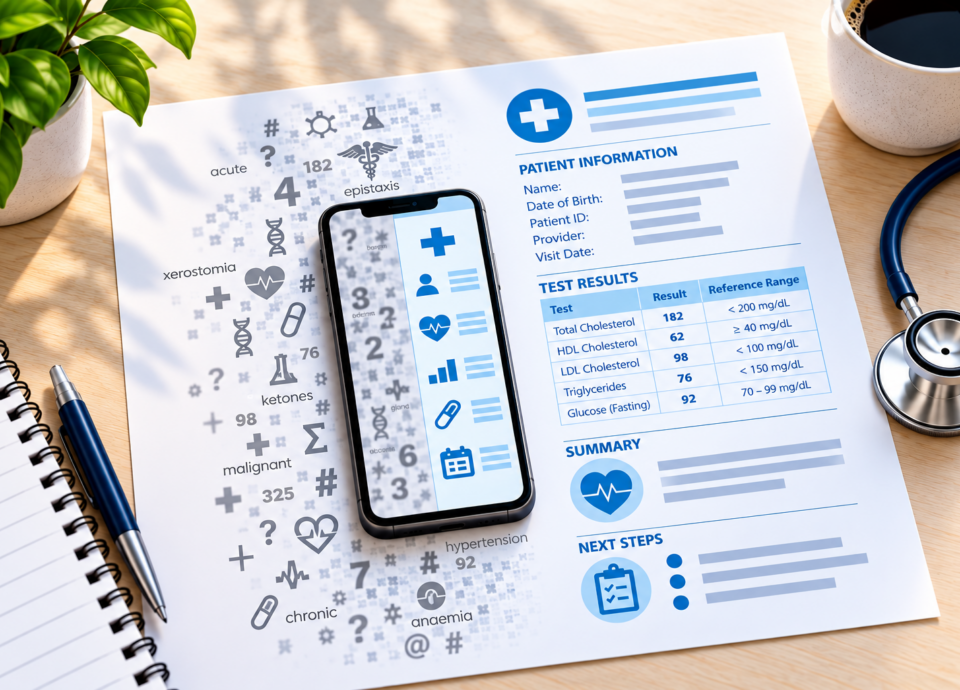



Health literacy is the ability to find, understand, and use health information so you can make informed decisions about your well-being. It’s a skill that helps you interpret instructions, ask meaningful questions, and feel more confident managing your care.
But health literacy isn’t just about information itself; it’s shaped by the circumstances surrounding it. Many people feel overwhelmed during appointments or when reading health materials, and those experiences are more common than you might think. Understanding what shapes health literacy can help you recognize your own needs and approach your care with more confidence.
What Makes Health Information Hard to Understand?
Health information isn’t always simple. Even when providers communicate clearly, the overall experience can still feel confusing.
Common barriers include:
- Stress or illness: it’s harder to absorb information when you’re feeling anxious, unwell, or overwhelmed.
- Unfamiliar medical terminology: healthcare uses terms that aren’t part of most people’s everyday vocabulary.
- Cultural or language differences: sometimes information isn’t delivered in a way that aligns with your background or communication style.
- Fast-paced appointments: when instructions are shared quickly, it’s easy to miss important details.
Recognizing these influences can help you approach your healthcare with more awareness and confidence.
How Personal Background Shapes Health Understanding
Your experiences, preferences, and communication style also influence how you interpret health information. A rushed or confusing appointment in the past may make you more hesitant to ask questions today. On the other hand, a supportive experience may make you feel comfortable speaking up.
People often understand information more clearly when it’s shared in a way that connects to their own life through examples, visuals, or everyday language. Noticing what helps you learn and remember can make future appointments much easier and support long-term health habits.
Culture also affects how people view health, express symptoms, and engage with providers. These differences are meaningful and can influence how clearly information is understood.
Culture can shape how symptoms are described, approaches to decision-making, comfort with healthcare environments, and communication expectations. Understanding your cultural expectations can help you identify when information doesn’t match your communication style.
Recognizing When You Need More Clarity
A big part of health literacy is noticing situations where information isn’t fully clear. These moments are signals that you may need more explanation, a slower pace, or a different format.
You may need more clarity if you:
- Leave an appointment unsure about next steps
- Feel overwhelmed by instructions or paperwork
- Struggle to evaluate online information
- Hesitate to ask for explanations
- Aren’t sure how a medication works or why it was prescribed
These moments are normal and worth paying attention to, they’re signals that more information or a different communication style may help.
Asking for More Support
Your background, values, and preferred language shape how you interpret health information. When information feels unfamiliar or disconnected from your life experience, it can be harder to understand.
It’s okay to ask for:
- Materials in your preferred language
- Slower or simpler explanations
- Examples or visuals to help clarify instructions
- Communication that feels culturally familiar
Health information should make sense to you. Understanding what shapes your health literacy, like stress, communication style, information complexity, or personal experience, helps you identify when you need more clarity or support. This awareness lays the foundation for becoming a more informed and active participant in your care and long-term health journey.
Additional resources:
Centers for Disease Control and Prevention. (2024, October 16). Understanding Health Literacy. https://www.cdc.gov/health-literacy/php/about/understanding.html.
Harvard T.H. Chan School of Public Health. (2025, October 6). What is health literacy and why is it important? https://hsph.harvard.edu/mahalingaiah-lab/news/turning-research-into-reality-what-is-health-literacy-and-why-is-it-important/.