

As we continue exploring how small, intentional habits support long-term well-being, this week shifts the focus to the core systems in the body that benefit most from early investment. These systems influence how clearly we think, how comfortably we move, how we handle stress, and how steady our energy feels throughout the day. The encouraging part is that each of them responds well to simple, everyday habits.
Below, we’ll take a closer look at these systems, specifically what they do, why they matter, and small ways you can support them now for a healthier future.
Cognitive Function: How Your Brain Helps You Think and Focus
Cognitive function includes skills like memory, focus, decision-making, and processing information. In everyday life, it shows up as being able to concentrate at work, remember important details, stay organized, or learn something new.
- Supporting cognitive function today helps keep your thinking skills stronger and more adaptable as you age.
Key things that influence cognitive function:
- Getting enough sleep
- Eating balanced meals
- Managing stress
- Keeping your mind engaged
Simple habits that help:
- Stick to a regular sleep schedule
- Move your body briefly during the day
- Take short breaks from screens
- Add small learning moments (a few pages of reading, a podcast, a new skill)
Mobility and Physical Strength: How Your Body Supports Easy, Comfortable Movement
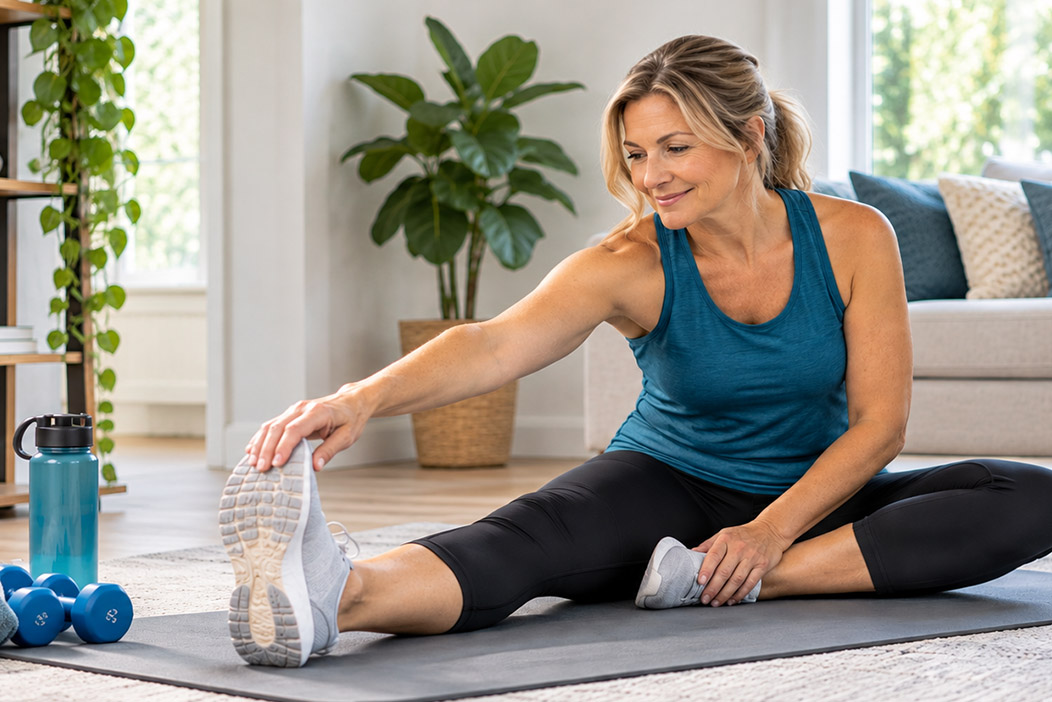
Mobility is your ability to move freely and comfortably. Physical strength helps you perform everyday activities, like lifting groceries, climbing stairs, or maintaining good posture, without strain.
- Building mobility and strength now helps protect long-term comfort and independence as your body changes over the years.
Key things that influence mobility and strength:
- Regular light movement
- Stretching or flexibility work
- Simple strength-building exercises
- Awareness of posture
Simple habits that help:
- Light stretching in the morning or evening
- Short walks between tasks
- Gentle strength exercises (bodyweight or light weights)
- Quick posture check-ins during the day
Emotional Resilience: How You Handle Stress and Stay Steady Through Challenges
Emotional resilience is your ability to adapt, recover from stress, stay calm, and feel grounded. It’s shaped by your daily habits, relationships, and how your nervous system responds to pressure. This is about supporting your ability to cope with stress in a healthy way.
- Strengthening emotional resilience today helps your nervous system stay steadier and more adaptable in the long run.
Key things that influence emotional resilience:
- Stress levels
- Quiet, restorative moments
- Social support
- Hydration and steady nutrition
Simple habits that help:
- Brief pauses between tasks
- Deep breathing or grounding exercises
- Staying hydrated and nourished
- Connecting with others regularly (even quick check-ins)
Metabolic Balance: How Your Body Manages Energy and Digestion
Metabolic health affects how your body uses the food you eat for energy, how steady your blood sugar feels, and how balanced your hormones stay throughout the day. When your metabolism is supported, you’re more likely to experience steady energy and fewer mid-afternoon crashes.
- Supporting your metabolism now helps maintain stable energy, digestion, and hormone balance as you move through different life stages.
Key things that influence metabolic balance:
- Eating regular meals
- Staying hydrated
- Sleeping well
- Frequent movement
- Balanced nutrition
Simple habits that help:
- Choosing meals with protein, fiber, and healthy fats
- Drinking water earlier in the day
- Breaking up long periods of sitting
- Avoiding late-night snacking to support better sleep
Each of these systems- thinking, moving, managing stress, and maintaining energy- benefits from small, consistent habits. Supporting them today helps you feel better now and builds a strong foundation for your future health.
Additional resources:
Harvard Health: Six steps to cognitive health
American Psychological Association: Resilience
Cleveland Clinic: Metabolism: What It Is, How It Works, & Disorders