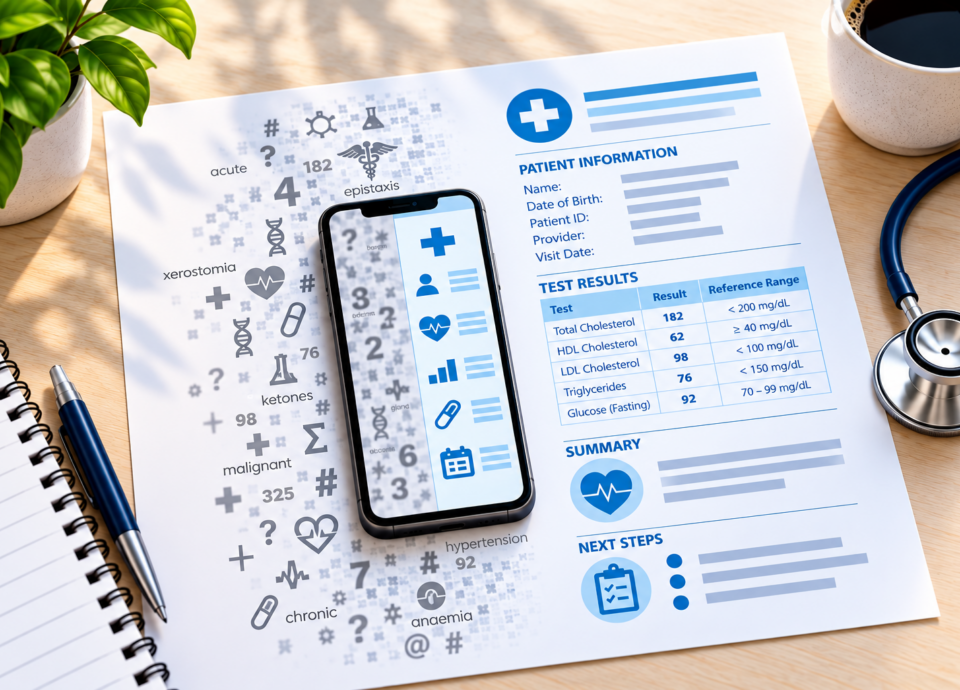


As we continue exploring how to invest in your future health, let’s talk about early health indicators. These small signals can be physical, cognitive, or behavioral and can offer insight into how well your body’s systems are functioning long before major symptoms appear.
Understanding these indicators isn’t about diagnosing anything; it’s about recognizing the subtle ways your body communicates its needs. Paying attention now helps you make simple, informed adjustments that support future well-being.
Below, we’ll highlight several early health indicators across mobility, cognition, energy, and daily functioning, explaining what they can mean and how to interpret them in practical ways.
Why Early Indicators Matter for Future Health
Most long-term health changes emerge gradually. Before discomfort, fatigue, or noticeable strain appear, your body often sends small signals- changes so subtle they’re easy to ignore. These indicators provide helpful information about how your internal systems are adapting to your daily habits, stress levels, movement patterns, and environment.
You don’t need to monitor them closely or track them formally; simply knowing what to look for can help you tune into your body’s early needs.
Key Early Indicators to Pay Attention To
Below are a few early signs experts use to understand long-term health. These signals can give you a simple picture of how your body is working right now.
1.Variations in Daily Energy
Rather than focusing on “feeling tired,” pay attention to how consistent your energy feels throughout the day. Sudden afternoon dips, difficulty bouncing back from busy mornings, or inconsistent daily stamina can reflect how your body is managing recovery, nutrition timing, and sleep quality.
2.Subtle Changes in Reaction Time
Reaction time, physical or cognitive, often shifts before other cognitive markers do. Noticing slower responses to conversations, multitasking difficulty, or even hesitating before starting routine tasks can sometimes signal mental fatigue or under-recovery.
3.Minor Mobility Stiffness After Routine Activities
A little stiffness when standing up, turning your neck, or beginning movement, even if brief, can provide insight into how your joints and muscles are responding to your daily patterns. These early mobility cues offer a preview into how your body might adapt if those patterns continue.
4.Small Shifts in Appetite or Hunger Timing
Changes in hunger cues (feeling hungry later than usual, losing interest in breakfast, increased late-afternoon cravings) can be early indicators of how well your body is regulating blood sugar, digestion, and daily energy use.
5.Variability in Stress Recovery
Rather than focusing on stress levels themselves, observe how quickly you return to feeling steady after small frustrations, interruptions, or unexpected tasks. Slower recovery from minor stress can signal that your nervous system may benefit from more structured restorative moments.
How These Indicators Support Future Health Planning
These early signals help you strengthen your future health by giving insight into the areas that could benefit from small shifts now. They aren’t meant to create concern; they’re meant to empower you with awareness.
Here are ways these indicators can guide simple, supportive adjustments:
- Energy dips can remind you to check hydration or meal balance.
- Slower reaction times may indicate the need for more consistent sleep.
- Mobility stiffness often responds well to brief movement or posture resets.
- Appetite changes can highlight the importance of meal timing.
- Stress recovery variability may encourage a moment of grounding during the day.
Early indicators are small windows into how your body is functioning right now. By paying attention to these subtle cues, you can make gentle adjustments that support your energy, mobility, and resilience, today, and in the years ahead.
Additional Resources:
Centers for Disease Control and Prevention: Are You Up to Date on Your Preventative Care?
U.S. Department of Health and Human Services: My Healthfinder Tool